

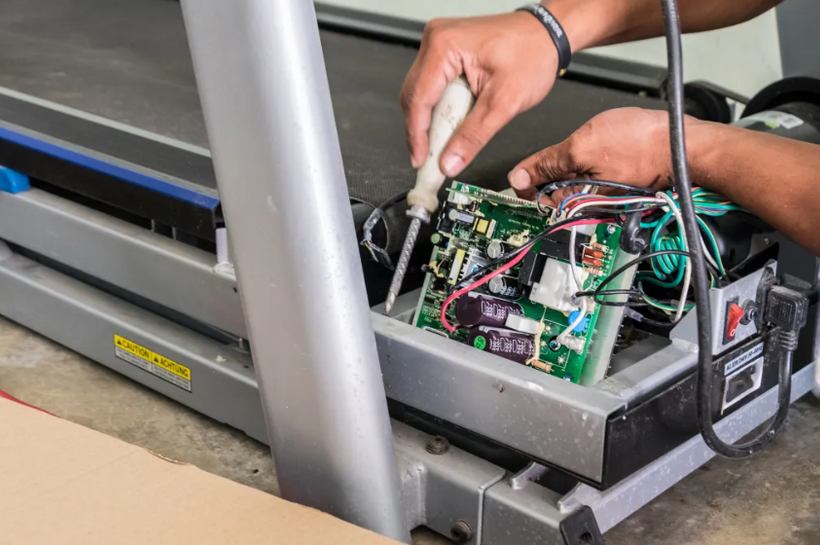
Understanding Common Issues with Home Exercise Equipment
Home exercise equipment, while convenient, is not immune to common problems that can disrupt your workout routine. Understanding these issues helps in diagnosing and resolving them effectively. Equipment such as treadmills, stationary bikes, ellipticals, and rowing machines often face wear and tear due to frequent use, which can lead to mechanical and electronic malfunctions.
Treadmills, for instance, may suffer from belt misalignment, motor problems, or electronic failures, all of which can impact performance. Stationary bikes might face resistance issues or display errors, while ellipticals can develop pedal or stride anomalies. Rowing machines may experience cable tension problems or footplate instability, affecting their operation.
Identifying these common issues is the first step in determining whether you can fix your exercise home equipment yourself or if you need professional help. By being aware of potential problems, you can take proactive measures to maintain your equipment and extend its lifespan.
Safety Precautions Before Starting Repairs
Before embarking on any repair work, safety should be your top priority. Exercise equipment can be complex, with moving parts and electrical components that pose potential hazards. Ensuring a safe environment will protect you from injury and prevent further damage to the equipment.
Steps to Ensure Safety:
-
Disconnect Power: Always unplug the equipment from the power source before starting any repairs. This step is crucial to avoid electrical shocks or accidental activation of moving parts.
-
Read the Manual: Familiarize yourself with the user manual. It contains specific safety warnings and guidelines on handling different parts of the equipment.
-
Protective Gear: Wear appropriate safety gear, such as gloves and eye protection, to safeguard against sharp edges and debris.
By taking these precautions, you will create a safe working environment, allowing you to focus on the task at hand without unnecessary risks.
Tools and Materials Needed for Fixing Exercise Equipment
Having the right tools and materials on hand is essential for effective repair work. The specific tools will depend on the type of equipment and the nature of the issue, but some items are universally useful across different devices.
Essential Tools:
- Screwdriver Set: Different screwdrivers, both flathead and Phillips, are necessary for opening panels and accessing internal components.
- Allen Wrenches: These are often required for tightening bolts and adjusting parts on exercise machines.
- Multimeter: Useful for diagnosing electrical issues and ensuring proper voltage flow.
- Lubricants: Silicone-based spray or gel is essential for maintaining moving parts like treadmill belts and elliptical joints.
Materials:
- Replacement Parts: Depending on the issue, you may need new belts, cables, or electronic components.
- Cleaning Supplies: A clean workspace is crucial, so have cleaning cloths and mild detergents ready to remove dirt and grime.
Equipping yourself with these tools and materials will streamline the repair process, allowing for efficient and effective fixes.
Step-by-Step Guide to Fixing Treadmills
Treadmills are a popular choice for home gyms, but they require maintenance to ensure optimal performance. Here's a step-by-step guide to fixing common treadmill issues.
1. Addressing Belt Problems
-
Alignment: If the belt is misaligned, first turn off and unplug the treadmill. Use the adjustment bolts at the rear of the machine to center the belt. Tighten or loosen the bolts incrementally, checking the alignment frequently.
-
Slippage: If the belt slips during use, it may need tightening. Again, use the adjustment bolts to increase tension. Be cautious not to over-tighten, as this can cause wear.
2. Motor Troubleshooting
-
Noisy Motor: Unplug the treadmill and remove the motor cover. Check for dust or debris and clean the area. Inspect the motor for visible damage and replace it if necessary.
-
Non-Responsive Motor: Use a multimeter to check the electrical connections. Ensure all wires are securely connected and replace any faulty components.
3. Electronic Display Issues
- Flickering or Non-Functional Display: Check the power source and connections. Replace any blown fuses or damaged wires. If the issue persists, the display panel might need replacement.
By following these steps, you can address and resolve common treadmill issues, ensuring a smooth and effective workout experience.
How to Repair Stationary Bikes
Stationary bikes are another staple of home gyms that require periodic maintenance and repair. Here's how to tackle some of the most common problems.
1. Resistance Issues
-
Inconsistent Resistance: Check the flywheel and resistance mechanism. Clean and lubricate the parts if necessary. If the resistance remains inconsistent, inspect the tension cable and replace it if worn.
-
Non-Functioning Resistance: Test the electronic control board with a multimeter. Replace any faulty components that could be causing the resistance to malfunction.
2. Pedal and Crank Problems
-
Loose Pedals: Tighten the pedals using a wrench. Ensure that the threads are not stripped, as this can cause recurring looseness.
-
Crank Noise: Remove the crank cover and inspect for wear. Lubricate the bearings and tighten any loose bolts.
3. Display and Sensor Malfunctions
-
Erratic Display Readings: Ensure that the sensors are aligned and clean. Replace any damaged sensors or display components.
-
Non-Responsive Display: Check the power source and connections. Replace any damaged wiring or fuses.
By maintaining and repairing your stationary bike, you can enjoy a consistent and effective cardiovascular workout at home.
Fixing Elliptical Machines: A Comprehensive Guide
Elliptical machines are excellent for low-impact exercise, but they require attention to function correctly. Let's explore how to fix common elliptical issues.
1. Pedal and Stride Anomalies
-
Squeaking Pedals: Lubricate the pedal joints and bearings to eliminate noise. Tighten any loose bolts that could be causing the squeak.
-
Stride Resistance Problems: Check the resistance motor and cables. Replace any worn components to ensure smooth operation.
2. Electrical and Display Issues
-
Erratic Display: Verify the power connections and replace any faulty wiring. If the display remains erratic, consider replacing the control board.
-
Non-Functioning Console: Test the power supply and inspect the connections. Replace any damaged components to restore functionality.
3. Structural Integrity
-
Wobbly Frame: Tighten all bolts and screws, ensuring the frame is stable. Inspect for any cracks or structural damage, and replace parts if necessary.
-
Loose Handlebars: Tighten the bolts securing the handlebars. If the problem persists, inspect the internal connections and replace any worn components.
Maintaining your elliptical machine ensures a smooth and effective workout, free from interruptions and discomfort.
Troubleshooting and Repairing Rowing Machines
Rowing machines offer a full-body workout, but like any equipment, they can experience issues. Here's how to address common problems.
1. Cable and Chain Issues
-
Frayed Cable: Inspect the cable for wear and replace it if frayed. Regularly lubricate the pulley system to prevent future issues.
-
Chain Slippage: Tighten the chain tension and ensure all connections are secure. Replace the chain if it shows signs of excessive wear.
2. Seat and Rail Problems
-
Sticky Seat: Clean the rail and seat rollers thoroughly. Lubricate the rail to ensure smooth seat movement.
-
Unstable Rail: Tighten all bolts securing the rail. Inspect for any structural damage and replace parts as needed.
3. Footplate and Strap Issues
-
Loose Footplates: Secure the footplates by tightening the bolts. Check for cracks or damage and replace if necessary.
-
Worn Straps: Replace any worn or frayed straps to ensure secure foot positioning during workouts.
By addressing these common rowing machine issues, you can maintain a reliable and effective piece of equipment for your home gym.
Maintaining Your Exercise Equipment to Prevent Future Issues
Preventative maintenance is key to extending the lifespan of your home exercise equipment. Regular upkeep ensures that your machines remain in optimal condition, reducing the need for frequent repairs.
Regular Cleaning:
-
Wipe Down Equipment: After each use, wipe down your equipment with a damp cloth to remove sweat and dust. This simple step prevents corrosion and buildup.
-
Monthly Deep Clean: Perform a more thorough cleaning monthly. Use mild detergent and water to clean surfaces, ensuring to dry components thoroughly.
Routine Inspections:
-
Check for Wear: Inspect moving parts, such as belts and cables, for signs of wear. Replace any components showing excessive wear to prevent future breakdowns.
-
Lubricate Moving Parts: Regularly lubricate all moving parts to ensure smooth operation and reduce friction-related wear.
Electrical and Mechanical Checks:
-
Test Electronics: Periodically test electronic components to ensure they function correctly. Replace batteries and check connections to prevent issues.
-
Tighten Bolts and Screws: Ensure all bolts and screws are tightened to maintain structural integrity and prevent loose parts.
By incorporating these maintenance practices into your routine, you can extend the life of your exercise equipment and enjoy a consistent workout experience.
When to Call a Professional for Exercise Equipment Repairs
While many repairs can be handled at home, certain situations require professional intervention. Knowing when to call an expert ensures safety and prevents further damage to your equipment.
Complex Electrical Issues:
- If the equipment has persistent electrical problems, such as faulty wiring or control board issues, it's advisable to consult a professional. They have the expertise to handle complex electrical repairs safely.
Major Mechanical Failures:
- When major components, such as motors or frames, fail, professional repair services are recommended. They can accurately diagnose the problem and provide a long-term solution.
Warranty and Specialized Components:
- If your equipment is under warranty, contact the manufacturer for repairs to avoid voiding the warranty. Additionally, specialized components may require expertise beyond typical DIY repairs.
By recognizing the limits of DIY repairs, you can ensure the longevity and safety of your home exercise equipment through professional services when necessary.
Conclusion: Keeping Your Home Gym in Top Shape
Maintaining and repairing your home exercise equipment is essential for a functional and effective home gym. Understanding common issues, ensuring safety during repairs, and knowing when to call a professional are key to keeping your equipment in excellent condition.
By following the step-by-step guides and maintenance tips provided, you can address many common problems yourself. Regular maintenance not only prevents future issues but also enhances the performance and lifespan of your machines.
Invest in your fitness journey by taking care of your equipment. If you're ever unsure about a repair, don't hesitate to seek professional assistance. A well-maintained home gym supports your health goals and ensures a seamless workout experience.