

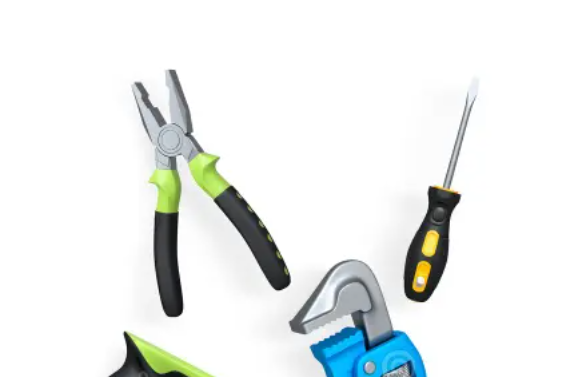
Introduction to DIY Home Exercise Equipment Repair
In recent years, home gyms have surged in popularity, offering convenience and flexibility for fitness enthusiasts. However, the equipment within these gyms can occasionally malfunction, leading to frustration and interruptions in workout routines. Mastering the art of DIY repairs not only saves money but also enhances the longevity and performance of the equipment. This guide aims to empower individuals by providing comprehensive instructions on how to fix home exercise equipment like a professional.
Understanding the mechanics of your exercise equipment is the first step towards effective maintenance and repair. Whether it’s a treadmill, exercise bike, or elliptical machine, each piece has unique components that require attention. By familiarizing themselves with these components, individuals can quickly identify issues and apply the appropriate solutions.
DIY repairs contribute significantly to reducing downtime and maintaining a consistent exercise schedule. By acquiring the skills to tackle common issues, individuals can ensure that their home gym remains a reliable and efficient space for achieving fitness goals.
Common Problems with Home Exercise Equipment
Home exercise equipment, while durable, is not immune to wear and tear. Some of the most common issues include mechanical failures, electronic malfunctions, and structural damages. Recognizing these problems early can prevent further damage and extend the lifespan of the equipment.
Mechanical Issues: These often involve moving parts such as belts, pedals, and wheels. Over time, these components may loosen, wear out, or become misaligned, leading to reduced functionality or complete breakdowns. Regular inspection and maintenance can help identify these issues before they escalate.
Electronic Malfunctions: Many modern exercise machines come with digital displays and sensors. Problems with these electronic components can range from unresponsive screens to inaccurate readings. Understanding the basics of electronic troubleshooting can be invaluable in resolving these issues.
Structural Damages: Damage to the frame or supporting structures can compromise the safety and stability of the equipment. Cracks, rust, and loose bolts are common structural problems that require immediate attention to avoid accidents or further damage.
Essential Tools for Fixing Home Exercise Equipment
Equipping oneself with the right tools is crucial for successful DIY repairs. While some tools are specific to certain types of equipment, others are universally applicable across various machines. Here are some essential tools every home gym owner should have:
- Allen Wrenches: These are indispensable for adjusting and tightening bolts and screws commonly found in exercise equipment.
- Screwdrivers: Both flathead and Phillips screwdrivers are necessary for handling different types of screws.
- Lubricants: Keeping moving parts well-lubricated reduces friction and wear, prolonging the life of the equipment.
- Multimeter: This tool is vital for diagnosing electronic issues, allowing users to measure voltage, current, and resistance.
- Adjustable Wrench: Useful for loosening or tightening nuts and bolts of various sizes.
Investing in a quality toolkit not only facilitates repairs but also ensures that maintenance tasks are conducted efficiently and safely. Having these tools readily available minimizes the time needed to resolve issues and restores the equipment to optimal working condition.
Safety Tips Before Starting Repairs
Safety should be the foremost priority when undertaking any repair task. Exercise equipment often involves complex mechanisms and electrical components, posing potential hazards if not handled correctly. Adhering to safety guidelines ensures a secure repair process, protecting both the individual and the equipment.
Before beginning any repair, ensure that the equipment is unplugged and all moving parts have come to a complete stop. This prevents accidental activation, which can lead to injury. Additionally, wearing protective gear such as gloves and safety goggles can safeguard against sharp edges and electrical sparks.
It’s also crucial to work in a well-lit and spacious area. This not only enhances visibility but also provides ample space to move around freely during the repair process. Keeping a clean workspace minimizes the risk of losing small parts and tools, ensuring a smooth and organized repair experience.
Step-by-Step Guide: How to Fix a Treadmill
Treadmills are a staple in many home gyms but are also prone to specific issues due to their complex design. Here is a step-by-step guide to addressing common treadmill problems:
1. Belt Slippage
- Diagnosis: The treadmill belt slips during use.
- Solution: First, unplug the treadmill. Tighten the belt by adjusting the bolts at the end of the treadmill deck. Turn each bolt a quarter turn at a time until the belt stops slipping.
2. Motor Problems
- Diagnosis: The treadmill makes unusual noises or fails to start.
- Solution: Check for dust and debris in the motor area. Use a vacuum or compressed air to clean it. If the problem persists, inspect the motor’s wiring for any loose connections.
3. Display Issues
- Diagnosis: The console doesn’t turn on or displays incorrect information.
- Solution: Check the power source and ensure all cables are securely connected. If the problem persists, use a multimeter to test the power supply for consistent voltage.
Regular maintenance, such as lubricating the belt and cleaning the deck, can prevent these issues and ensure the treadmill operates smoothly.
Step-by-Step Guide: How to Fix an Exercise Bike
Exercise bikes are valued for their low-impact cardiovascular workouts, but they may encounter specific issues over time. Here’s how to address some of the most common problems:
1. Noise Issues
- Diagnosis: The bike makes squeaking or grinding noises.
- Solution: Check all nuts and bolts for tightness. Apply lubricant to moving parts such as pedals and the chain. Ensure that the bike is on a level surface to prevent unnecessary strain.
2. Resistance Problems
- Diagnosis: Difficulty in adjusting the bike's resistance levels.
- Solution: Inspect the resistance mechanism, whether it’s magnetic or belt-driven. Clean and adjust the components as necessary, ensuring they move freely without obstruction.
3. Display Malfunctions
- Diagnosis: The display isn’t functioning correctly or is unresponsive.
- Solution: Check the batteries or power connection. If the display is still problematic, inspect the wiring for loose connections or signs of wear.
Routine checks and maintenance, such as ensuring proper alignment and keeping the bike clean, contribute to its longevity and performance.
Step-by-Step Guide: How to Fix an Elliptical Machine
Elliptical machines provide an excellent full-body workout but can encounter issues that disrupt their functionality. Here’s a guide to fixing common elliptical problems:
1. Pedal Issues
- Diagnosis: The pedals wobble or make noise during use.
- Solution: Tighten any loose bolts connecting the pedals to the frame. Apply lubricant to the pivot points to eliminate noise and ensure smooth operation.
2. Resistance Malfunctions
- Diagnosis: The machine’s resistance settings are not working.
- Solution: Check for any obstruction in the magnetic or belt resistance system. Clean and adjust as necessary, ensuring all components are aligned and secured.
3. Console Errors
- Diagnosis: The console displays errors or fails to turn on.
- Solution: Verify the power source and connections. Use a multimeter to test the console’s power input. If errors persist, consult the user manual for troubleshooting specific error codes.
Regular maintenance, including checking for wear and tear and ensuring all parts are securely fastened, will help maintain the elliptical’s performance.
Troubleshooting Electronic Components
Electronic components are integral to modern exercise equipment, providing essential feedback and controls for users. However, these components can sometimes malfunction, requiring careful troubleshooting to resolve.
Begin by identifying any error codes displayed on the console. These codes often provide direct insight into the nature of the problem. Consulting the user manual can offer specific solutions or steps to clear the error. If the manual is unavailable, many manufacturers provide troubleshooting guides online.
When dealing with unresponsive displays or erratic behavior, checking the wiring is crucial. Loose or damaged wires can often be the culprit. Use a multimeter to test the continuity of the wires, replacing any that show signs of damage. Additionally, ensure that all connectors are securely fastened.
In cases where the electronic components are beyond basic repair, such as a damaged circuit board, it may be necessary to contact the manufacturer for replacement parts or professional repair services. Keeping the software updated can also prevent many electronic issues from occurring.
Preventive Maintenance Tips for Home Exercise Equipment
Preventive maintenance plays a vital role in ensuring the longevity and optimal performance of home exercise equipment. By establishing a routine, individuals can preemptively address potential issues, minimizing the need for extensive repairs.
Regular cleaning is one of the simplest yet most effective maintenance tasks. Dust and debris can accumulate in various parts, leading to mechanical and electronic malfunctions. Wiping down the equipment after each use and conducting a deeper clean monthly helps maintain its functionality.
Lubrication is another crucial aspect of preventive maintenance. Applying lubricant to moving parts reduces friction and wear, enhancing the equipment’s efficiency. Follow the manufacturer’s guidelines regarding the type and frequency of lubrication for best results.
Finally, periodically inspecting the equipment for signs of wear and tear can prevent small issues from escalating. Checking for loose bolts, frayed belts, and worn-out components allows for timely repairs, ensuring the equipment remains safe and effective.
When to Call a Professional
While DIY repairs can address many issues, there are instances where professional intervention is necessary. Recognizing these situations can prevent further damage and ensure the equipment is restored to optimal condition.
If the equipment exhibits severe mechanical or electronic failures that are beyond basic troubleshooting, it’s advisable to seek professional help. Professionals have the expertise and tools required to diagnose and resolve complex issues efficiently.
Additionally, if any repair task involves electrical components and poses a safety risk, it’s best left to a certified technician. Handling electrical repairs without the proper knowledge can be dangerous and potentially void the warranty.
Finally, when dealing with high-end or specialized equipment, professional services can ensure that the repairs are conducted according to the manufacturer’s standards, preserving the equipment’s performance and warranty.
Conclusion: Mastering DIY Repairs for Your Home Gym
Mastering the art of DIY repairs for home exercise equipment not only saves money but also empowers individuals to maintain their fitness routines without interruption. By understanding common problems, equipping themselves with essential tools, and following safety guidelines, individuals can confidently address a wide range of issues.
Regular maintenance and timely repairs ensure that the equipment remains in peak condition, providing a reliable and efficient workout experience. However, it's important to recognize when professional intervention is necessary, ensuring that complex issues are resolved safely and effectively.
For those looking to enhance their DIY skills further, numerous online resources and communities offer support and guidance. Embracing DIY repairs not only extends the lifespan of home gym equipment but also contributes to a sustainable and cost-effective approach to fitness.