

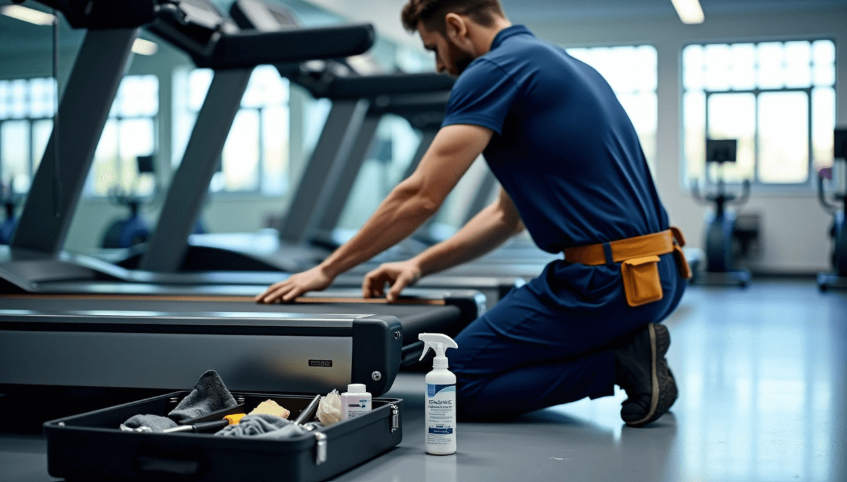
Introduction to Treadmill Maintenance and Repair
Treadmills are a popular choice for home workouts, offering convenience and versatility. However, like any other piece of machinery, they require regular maintenance to function efficiently. Understanding the importance of treadmill maintenance and repair at home is pivotal for ensuring that this investment continues to serve its purpose effectively.
Homeowners often overlook the need for treadmill upkeep, thinking that these machines can run indefinitely without intervention. This misconception can lead to unexpected breakdowns and costly repairs. By focusing on consistent maintenance, users can avoid these pitfalls and extend the life of their equipment.
In this comprehensive guide, we will explore the various aspects of treadmill maintenance and repair. From understanding the importance of regular upkeep to deciding when to call a professional, each section offers valuable insights to help users maintain their treadmills in optimal condition.
Understanding the Importance of Treadmill Maintenance
The importance of treadmill maintenance and repair at home cannot be overstated. Regular maintenance ensures that the treadmill operates smoothly, reducing the risk of sudden malfunctions. This proactive approach not only saves money on potential repairs but also ensures a safe workout environment.
Routine checks allow users to identify minor issues before they escalate into major problems. For instance, a slight belt misalignment, if left unchecked, can lead to significant wear and tear on the motor. Addressing such issues early on helps in maintaining the equipment's efficiency and longevity.
Moreover, consistent maintenance contributes to the overall performance of the treadmill. A well-maintained machine offers a smoother, more enjoyable workout experience. Users can exercise with confidence, knowing that their equipment is in top condition, which in turn can improve their fitness outcomes and motivation.
Common Treadmill Issues
Treadmills, like any other machinery, are susceptible to a range of issues that can affect their performance. Recognizing these common problems is the first step toward effective maintenance and repair.
-
Belt Slippage: This occurs when the treadmill belt moves out of alignment or becomes loose. It can cause uneven running surfaces, which may lead to accidents or injuries if not addressed promptly.
-
Motor Malfunctions: The motor is the heart of the treadmill. Issues such as overheating, unusual noises, or sudden stops can indicate underlying problems that need immediate attention.
-
Display Errors: Inaccurate data on the treadmill's display can affect workout tracking. This might include incorrect speed, distance, or incline readings, which can disrupt exercise routines.
Addressing these issues requires a keen understanding of the treadmill's mechanics. Users should familiarize themselves with their equipment's specific model and manual, which often provide guidance on troubleshooting common problems.
Step-by-Step Guide to Treadmill Maintenance
Regular treadmill maintenance is essential for ensuring the machine's optimal performance. Here's a step-by-step guide to help users keep their treadmills in excellent condition:
-
Cleaning: Dust and debris can accumulate on the treadmill's surface and underneath the belt. Regularly cleaning these areas prevents buildup that can affect performance. Use a soft cloth and mild detergent for the task.
-
Lubrication: Treadmill belts require regular lubrication to minimize friction and wear. Consult the manufacturer's guidelines for the recommended type and frequency of lubrication, as this varies between models.
-
Inspection: Routine inspections involve checking for loose bolts, belt alignment, and electrical wiring. Tighten any loose components and ensure that the belt is centered and moves smoothly.
By following these steps, treadmill owners can maintain their equipment's functionality and prevent unnecessary breakdowns. Consistent maintenance not only enhances performance but also extends the lifespan of the treadmill.
Essential Tools for Treadmill Repair and Maintenance
Equipping oneself with the right tools is crucial for effective treadmill maintenance and repair. Having these tools on hand allows users to perform basic repairs and upkeep tasks independently.
-
Hex Wrench: This tool is essential for adjusting the belt tension and alignment. It's often included with the treadmill upon purchase.
-
Screwdriver Set: A variety of screwdrivers is necessary for tightening bolts and accessing internal components of the treadmill.
-
Vacuum Cleaner: A vacuum with attachments can efficiently remove dust and debris from hard-to-reach areas under the treadmill.
-
Lubricant: Specific treadmill lubricants are designed to reduce friction between the belt and deck, ensuring smooth operation.
These tools are relatively inexpensive and can significantly aid in maintaining the treadmill, allowing users to address minor issues promptly and efficiently.
DIY vs Professional Treadmill Repair: Pros and Cons
Deciding between do-it-yourself (DIY) repairs and hiring a professional can be challenging. Both options have their advantages and drawbacks, and users must weigh these carefully.
DIY Repairs
Pros:
- Cost-effective: Performing repairs oneself can save money on labor costs.
- Convenience: Quick fixes can be done at any time without waiting for a service appointment.
- Learning opportunity: Users gain valuable knowledge about their equipment.
Cons:
- Risk of error: Inexperience may lead to incorrect repairs or further damage.
- Limited resources: Some issues require specialized tools or expertise.
Professional Repairs
Pros:
- Expertise: Professionals have the knowledge and experience to diagnose and fix problems accurately.
- Warranty protection: Professional services often come with warranties on parts and labor.
- Comprehensive service: Technicians can identify and address multiple issues in one visit.
Cons:
- Cost: Professional services can be expensive, particularly for significant repairs.
- Scheduling: Users may need to wait for appointments, delaying the repair process.
Ultimately, the decision depends on the complexity of the issue and the user's confidence in their ability to perform the repair. For minor problems, DIY repairs may suffice, while more severe issues might necessitate professional intervention.
Tips for Extending the Lifespan of Your Treadmill
Implementing certain practices can significantly extend the lifespan of a treadmill, ensuring users get the most out of their investment.
-
Regular Maintenance: As previously discussed, routine cleaning, lubrication, and inspections are fundamental to prolonging the treadmill's life.
-
Proper Use: Adhering to the manufacturer's usage guidelines prevents undue stress on the machine. Users should avoid exceeding weight limits and ensure the treadmill is placed on a level surface.
-
Environment Control: Keeping the treadmill in a climate-controlled area reduces the risk of moisture-related issues and overheating.
-
Power Management: Turning off the treadmill when not in use and using a surge protector can protect the machine from electrical damage.
By following these tips, users can maximize their treadmill's durability and maintain its performance over time.
Safety Precautions During Treadmill Maintenance
Safety is paramount during any maintenance activity. Taking necessary precautions ensures that users can perform tasks without risking injury.
-
Power Off: Always unplug the treadmill from the power source before beginning any maintenance or repair work to prevent accidental activation.
-
Read the Manual: Familiarize oneself with the equipment's manual for specific safety guidelines and troubleshooting steps.
-
Use Proper Tools: Ensure that the appropriate tools are used for each task to avoid damaging the machine or injuring oneself.
-
Work in a Spacious Area: Conduct maintenance in a well-lit, open space to avoid tripping over tools or components.
Adhering to these safety measures not only protects the user but also ensures the treadmill remains in good condition during maintenance activities.
When to Call a Professional for Treadmill Repair
While many treadmill issues can be resolved with basic maintenance, certain situations necessitate professional intervention. Recognizing when to seek expert help can prevent further damage to the equipment.
-
Persistent Issues: If a problem persists despite repeated DIY attempts, it's time to consult a professional to avoid exacerbating the issue.
-
Complex Repairs: Tasks involving the motor, electrical components, or structural repairs are best left to experienced technicians.
-
Warranty Coverage: If the treadmill is under warranty, professional repairs may be required to avoid voiding the warranty terms.
Seeking professional assistance ensures that complex problems are addressed accurately and efficiently, safeguarding the treadmill's functionality.
Conclusion: Keeping Your Treadmill in Optimal Condition
Maintaining the importance of treadmill maintenance and repair at home is vital for ensuring the longevity and performance of this valuable fitness equipment. By following regular maintenance routines, recognizing common issues, and knowing when to seek professional help, users can keep their treadmills in peak condition.
Investing time in understanding and caring for the treadmill not only enhances the workout experience but also protects one's investment. A well-maintained treadmill is not just a piece of exercise equipment; it's a step towards a healthier lifestyle.