

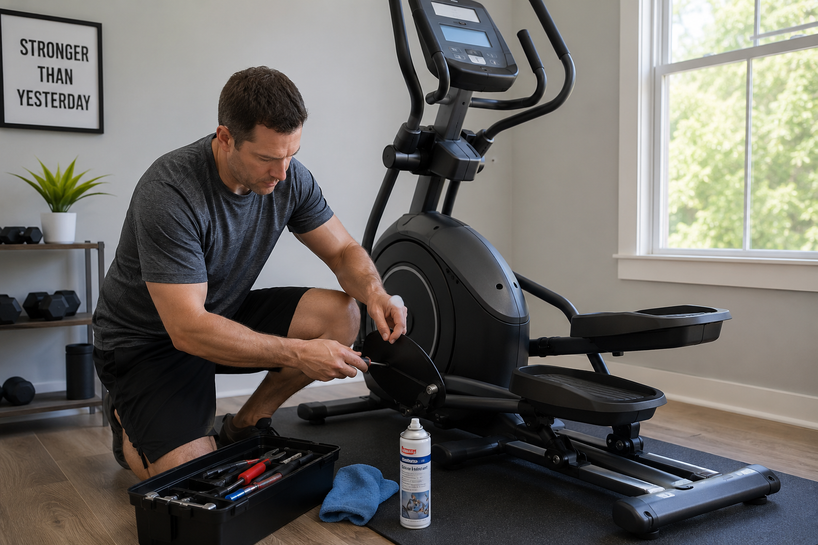
As home fitness continues to evolve in 2026, more people are investing in high-quality treadmills, ellipticals, exercise bikes, rowing machines, and home gyms. These machines are designed to provide years of dependable performance, but only when they receive regular care. Exercise machine maintenance has become one of the most searched topics among homeowners because preventive maintenance can significantly reduce repair costs while improving safety and performance.
Smart Fitness Equipment Requires Smart Maintenance
One of the biggest trends in today's fitness industry is the rapid growth of connected exercise equipment. Modern machines feature HD touchscreens, Bluetooth connectivity, Wi-Fi access, virtual workout classes, and fitness tracking apps. While these features create a more engaging workout experience, they also increase the importance of keeping both electronic and mechanical components clean and functioning properly.
Dust, sweat, and humidity can shorten the lifespan of sensitive electronics. Regularly wiping down displays, cleaning cooling vents, and inspecting power cords can help prevent unnecessary failures and keep your equipment operating at peak performance.
Keep Your Equipment Clean After Every Workout
Cleaning your exercise machine is one of the easiest ways to prevent premature wear. Sweat contains salt and minerals that can corrode metal components and damage electronics over time. After each workout, wipe down the console, handrails, seat, and frame with a microfiber cloth.
Once a week, vacuum underneath and around the machine to remove dust, pet hair, and debris. Keeping the surrounding area clean also improves airflow to motors and electrical components.
Lubricate Treadmill Belts on Schedule
Proper treadmill lubrication remains one of the most important maintenance tasks. A dry walking belt creates excessive friction between the belt and deck, forcing the drive motor to work much harder than necessary. This added strain can increase energy consumption, reduce performance, and eventually lead to expensive motor repairs.
Always use the lubricant recommended by your treadmill's manufacturer and follow the suggested maintenance schedule. For many residential treadmills, lubrication is recommended every few months, depending on usage.
Inspect Bolts and Moving Parts Regularly
Exercise equipment naturally experiences vibration during use. Over time, this vibration can loosen bolts, screws, pedals, handlebars, and adjustment knobs. Performing a monthly inspection helps ensure your equipment remains stable and safe.
Take a few minutes to tighten loose hardware, inspect moving joints, and look for signs of excessive wear. Catching small problems early often prevents larger mechanical failures later.
Listen for Unusual Sounds
Your exercise machine often tells you when something needs attention. Squeaking, grinding, clicking, or rattling noises should never be ignored. These sounds may indicate worn bearings, loose rollers, belt alignment issues, or components that require lubrication.
Addressing unusual noises quickly can prevent more expensive repairs and minimize equipment downtime.
Protect Your Machine's Electronics
Today's fitness equipment contains sophisticated circuit boards, sensors, and touchscreen displays. Moisture is one of their biggest enemies. Never spray cleaning solution directly onto the console. Instead, apply cleaner to a microfiber cloth before wiping the surface.
If your machine supports software or firmware updates, install them regularly. Manufacturers frequently release updates that improve stability, fix bugs, enhance security, and introduce new features.
Check Power Cords and Electrical Connections
Electrical safety should be part of every maintenance routine. Inspect the power cord for signs of wear, cuts, or pinching. Make sure the plug fits securely into the outlet and avoid using lightweight extension cords whenever possible.
Power surges can also damage electronic consoles. Using a quality surge protector is an inexpensive way to help safeguard your investment.
Create a Seasonal Maintenance Schedule
Rather than waiting for something to break, establish a preventive maintenance routine throughout the year.
A simple schedule might include:
- Wipe down equipment after every workout.
- Vacuum around machines weekly.
- Tighten hardware once each month.
- Lubricate treadmill belts as recommended.
- Inspect power cords quarterly.
- Update software whenever new versions become available.
- Schedule a professional inspection annually for heavily used equipment.
Following a maintenance calendar helps identify small issues before they become expensive repairs.
Why Preventive Maintenance Saves Money
Many exercise equipment failures occur because routine maintenance was delayed or ignored. A worn belt can damage a treadmill motor. Dust buildup can cause overheating. Loose hardware can place unnecessary stress on structural components.
Replacing a few inexpensive wear items is often far more affordable than replacing a motor, controller board, or touchscreen console. Preventive maintenance not only protects your investment but also keeps your workouts safe and uninterrupted.
Final Thoughts
Regular exercise machine maintenance is one of the smartest investments any home gym owner can make. Whether you own a treadmill, elliptical, stationary bike, rowing machine, or complete home gym, a consistent maintenance routine improves reliability, extends equipment life, and helps prevent unexpected breakdowns.
By cleaning your equipment regularly, lubricating moving parts, inspecting hardware, and staying current with software updates, you can enjoy smoother workouts and avoid costly repairs for years to come.
Frequently Asked Questions
How often should I lubricate my treadmill?
Most residential treadmills benefit from lubrication every three to six months, although heavy use may require more frequent maintenance. Always follow your manufacturer's recommendations.
What is the most common cause of treadmill failure?
Lack of lubrication, dust accumulation, worn walking belts, and neglected preventive maintenance are among the most common causes of treadmill problems.
Can dust damage exercise equipment?
Yes. Dust and pet hair can block cooling vents, increase motor temperatures, and reduce the lifespan of electronic components.
Should I unplug my exercise machine when not in use?
If the machine will not be used for an extended period or during severe electrical storms, unplugging it can help protect sensitive electronics from power surges.
Is professional maintenance worth it?
Yes. An annual professional inspection can identify worn components before they fail, helping you avoid larger repair costs and extend the life of your equipment.