

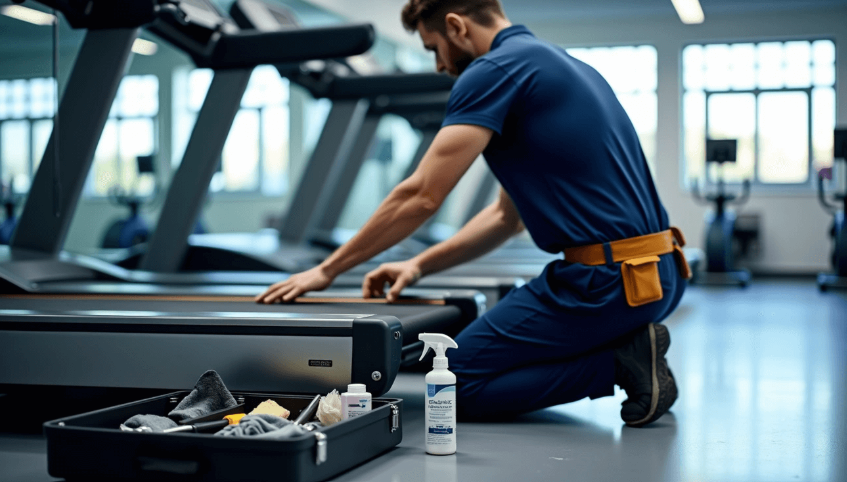
Home exercise equipment is a significant investment for many fitness enthusiasts. Whether it's a treadmill, elliptical, stationary bike, rowing machine, or home gym system, regular maintenance is essential to keep equipment operating safely and efficiently. While some owners choose to hire professional technicians, others prefer to handle maintenance tasks themselves. Before deciding which approach is best, it is important to understand both the advantages and disadvantages of performing your own equipment maintenance.
The Pros of DIY Exercise Equipment Maintenance
1. Cost Savings
One of the biggest advantages of maintaining home exercise equipment independently is the potential to save money. Professional service calls can be expensive, especially for minor issues that can be resolved with basic tools and a little research. Routine tasks such as cleaning, lubricating moving parts, and tightening loose bolts often require minimal expense.
2. Increased Equipment Lifespan
Owners who regularly inspect and maintain their machines are more likely to catch small problems before they become major repairs. Preventative maintenance can reduce wear and tear, helping equipment last longer and perform more reliably over time.
3. Greater Understanding of the Equipment
Performing maintenance allows owners to become more familiar with how their machines operate. This knowledge can make troubleshooting easier when issues arise and may help users identify unusual sounds, vibrations, or performance changes early.
4. Convenience and Flexibility
DIY maintenance can be performed according to the owner's schedule. There is no need to wait for technician availability or coordinate service appointments. Simple maintenance tasks can often be completed in a matter of minutes.
5. Improved Safety Awareness
Regular inspections encourage owners to pay closer attention to the condition of their equipment. Checking belts, cables, fasteners, and electrical connections can help identify potential safety hazards before they lead to accidents or equipment failure.
The Cons of DIY Exercise Equipment Maintenance
1. Risk of Incorrect Repairs
Without proper training, it can be easy to misdiagnose problems or perform repairs incorrectly. Improper maintenance may lead to additional damage, reduced performance, or safety concerns.
2. Warranty Concerns
Some manufacturers require authorized service providers to perform certain repairs. Attempting unauthorized repairs may void portions of the equipment warranty, potentially leading to costly out-of-pocket expenses if major issues occur later.
3. Limited Access to Specialized Tools
Certain maintenance procedures require specialized diagnostic equipment or tools that most homeowners do not possess. Professional technicians often have access to resources that allow them to identify and resolve issues more accurately.
4. Time Commitment
Learning how to properly maintain exercise equipment takes time. Owners must read manuals, watch instructional videos, research troubleshooting procedures, and carefully complete maintenance tasks. For some individuals, hiring a professional may be more efficient.
5. Potential Safety Risks
Exercise equipment often contains moving parts, electrical systems, and heavy components. Attempting repairs without proper knowledge can result in personal injury or equipment damage. Safety precautions should always be followed when working on fitness machines.
Finding the Right Balance
For many homeowners, the best approach is a combination of DIY maintenance and professional service. Routine cleaning, inspections, and basic upkeep can often be handled independently, while complex repairs and diagnostic work are best left to qualified technicians. By understanding both the benefits and limitations of self-maintenance, equipment owners can make informed decisions that protect their investment and support safe, effective workouts for years to come.
This version is suitable for a fitness equipment service company blog, homeowner resource center, or gym equipment maintenance website.