

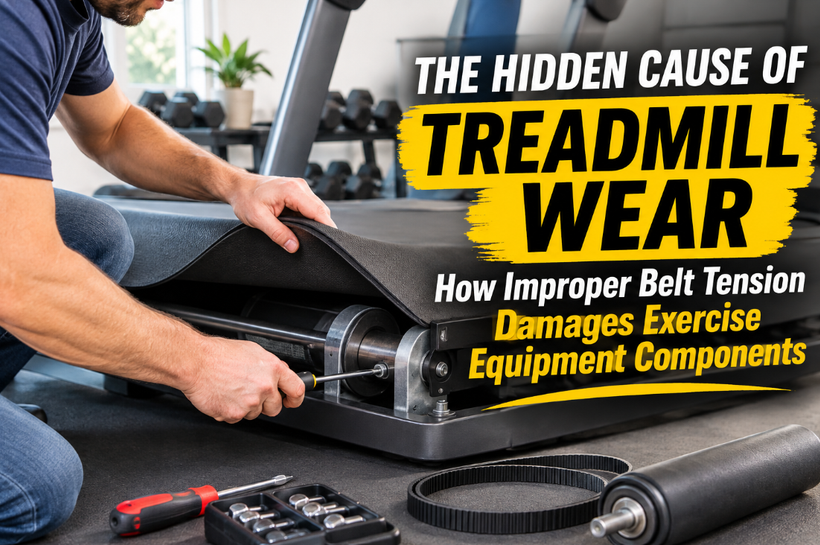
Understanding the Importance of Treadmill Belt Tension
Treadmill maintenance involves more than simply cleaning the machine and lubricating the walking belt. One often overlooked maintenance issue is improper walking belt tension. Many treadmill owners do not realize that an overly tight or loose belt can cause significant damage to internal components. The walking belt needs the correct amount of tension to operate smoothly and efficiently. When the belt is too tight, the motor must work harder to move it across the deck. This additional strain can increase operating temperatures and accelerate motor wear. On the other hand, a belt that is too loose may slip during workouts and create inconsistent performance. Both conditions can eventually lead to expensive repairs if they are ignored. Understanding how belt tension affects other treadmill components can help owners avoid unnecessary replacement costs. Regular inspections and proper adjustments are essential for keeping exercise equipment operating reliably.
How Excessive Belt Tension Affects the Motor
The treadmill motor is one of the most important and expensive components in any treadmill. Its primary responsibility is to provide consistent power to move the walking belt at the selected speed. When the walking belt is excessively tight, the motor experiences additional resistance during operation. This increased workload can cause the motor to draw more electrical current than necessary. Over time, excessive current and heat can contribute to premature motor wear. Owners may notice unusual noises, inconsistent speeds, or a burning smell when the motor is under excessive strain. In some cases, the treadmill may unexpectedly shut down because of overheating or electrical protection systems. Replacing a damaged motor can be considerably more expensive than performing routine belt adjustments. Checking belt tension periodically can help prevent unnecessary stress on the motor. Following the manufacturer's recommended adjustment procedures is the best way to maintain proper motor performance.
The Connection Between Belt Tension and Walking Deck Wear
The walking deck provides the supporting surface underneath the treadmill belt. During every workout, the belt continuously moves across this surface while supporting the user's weight. Excessive belt tension can increase friction between the walking belt and the deck. This additional friction may accelerate wear on both surfaces. A worn walking deck can develop rough areas that make treadmill operation less efficient. Users may notice increased noise, unusual resistance, or inconsistent belt movement. Proper lubrication can help reduce friction when the treadmill manufacturer specifies that lubrication is required. However, lubrication alone cannot correct excessive belt tension or an already damaged walking deck. Inspecting the walking surface for uneven wear is an important part of preventative maintenance. Replacing a worn deck or walking belt at the appropriate time can help protect other treadmill components.
Why Treadmill Rollers Are Affected by Improper Tension
Treadmill rollers play an important role in guiding the walking belt around the machine. Most treadmills have a front roller and a rear roller that help maintain smooth belt movement. These rollers rotate continuously while the treadmill is operating. Excessive belt tension places additional stress on the roller shafts, bearings, and supporting hardware. Over time, this added pressure may contribute to premature bearing wear. Damaged bearings can produce squeaking, grinding, or rumbling sounds during operation. A roller that does not rotate smoothly can also create additional resistance throughout the treadmill system. Loose belt tension can cause a different problem by allowing the belt to slip or track inconsistently. Regularly inspecting the rollers for unusual movement, noise, and visible damage can help identify problems early. Replacing worn treadmill rollers and bearings when necessary can restore smoother operation and reduce strain on surrounding components.
How Improper Tension Can Damage the Drive Belt
The drive belt transfers power from the treadmill motor to the front roller. This smaller component is different from the walking belt because it operates inside the treadmill's motor compartment. When the walking belt becomes excessively tight, the motor and roller system may experience increased resistance. This additional load can place stress on the drive belt and its associated components. Over time, the drive belt may become stretched, worn, or damaged. Signs of drive belt problems can include squealing noises, slipping, and inconsistent treadmill movement. A damaged drive belt may also prevent the treadmill from maintaining its selected speed. Inspecting the drive belt for cracks, fraying, and excessive wear is an important maintenance step. If replacement is necessary, selecting the correct drive belt for the specific treadmill model is essential. Using the proper replacement part helps ensure the treadmill operates as intended.
Recognizing the Warning Signs of Incorrect Belt Tension
Identifying treadmill belt tension problems early can prevent more serious equipment failures. One common warning sign is a walking belt that slips when the user increases speed or places weight on it. Another indication is excessive noise coming from the motor or roller area. Some treadmill owners may notice that the belt moves unevenly or drifts toward one side of the deck. A belt that feels unusually difficult to move may also indicate excessive tension or another mechanical issue. Increased motor heat and inconsistent speed performance are additional warning signs worth investigating. However, these symptoms can also be caused by worn belts, damaged rollers, electrical problems, or inadequate lubrication. It is important to inspect the entire treadmill system instead of assuming tension is the only problem. Addressing unusual noises and performance changes promptly can prevent additional component damage. Keeping a maintenance record can also help identify recurring issues before they become expensive repairs.
The Importance of Using the Correct Replacement Parts
When treadmill components become worn or damaged, choosing the correct replacement parts is essential. Exercise equipment manufacturers often produce different versions of similar treadmill models. Even machines that look nearly identical may require different walking belts, rollers, drive belts, or motor assemblies. Installing an incorrect component can lead to poor performance and additional mechanical problems. Before purchasing replacement parts, owners should locate the treadmill's model number and serial number. These details help narrow down the correct components for a particular machine. It is also important to compare manufacturer part numbers whenever possible. Quality replacement parts can help restore equipment performance and extend the useful life of a treadmill. Working with a knowledgeable exercise equipment parts reseller can make the identification process easier. Having the correct parts available before beginning a repair can also reduce unnecessary equipment downtime.
Preventative Maintenance Tips for Extending Treadmill Life
Preventative maintenance is one of the most effective ways to reduce treadmill repair expenses. Owners should periodically inspect the walking belt for signs of fraying, cracking, or uneven wear. Belt tension should be checked according to the manufacturer's recommended maintenance schedule. Walking belt lubrication should also be performed when required by the specific treadmill model. Keeping the treadmill clean can prevent dust and debris from accumulating around the motor and internal components. The motor compartment should be inspected periodically for excessive dust buildup, following the manufacturer's safety instructions. Rollers and surrounding hardware should be checked for unusual noises or visible damage. Owners should also make sure the treadmill is positioned on a stable, level surface. Any adjustments or repairs should be performed with the equipment powered off and unplugged. Consistent maintenance can help reduce premature wear and keep important replacement components functioning longer.
When Should Treadmill Components Be Replaced?
Knowing when to replace treadmill components can make a significant difference in equipment performance. Walking belts should be replaced when they show excessive wear, damage, or deterioration that cannot be corrected through approved maintenance. Walking decks may need replacement when their surfaces become damaged or excessively worn. Rollers should be inspected when unusual noises, bearing problems, or visible damage appear. Drive belts should be replaced when they develop cracks, fraying, or persistent slipping. Motors may require professional inspection when they experience overheating, electrical problems, or inconsistent operation. It is important not to wait until a component completely fails before considering replacement. A damaged component can sometimes place additional strain on other parts of the machine. Identifying worn components early can help prevent more extensive repairs. Keeping commonly needed treadmill replacement parts available can make routine repairs faster and easier.
Protecting Your Investment Through Proper Maintenance
A treadmill is a significant investment, and protecting it requires more than occasional cleaning. Understanding how individual components work together can help owners recognize the importance of proper belt tension. The walking belt, motor, deck, rollers, and drive belt all contribute to the machine's overall performance. When one component experiences excessive stress, other parts may eventually be affected. Routine inspections and manufacturer-approved adjustments can help prevent unnecessary wear. Replacing damaged components with compatible replacement parts can also restore proper equipment operation. Exercise equipment owners should never ignore unusual noises, slipping belts, or inconsistent treadmill performance. Taking care of minor maintenance issues early can help avoid costly repairs later. Whether you maintain a home treadmill or manage a commercial fitness facility, preventative maintenance should always be a priority. Investing in proper maintenance and quality exercise equipment replacement parts is one of the best ways to keep fitness equipment running smoothly for years to come.