
Exercise equipment is an investment in health, convenience, and performance. Whether you own a treadmill at home, manage a busy commercial gym, or operate a fitness center with dozens of machines, keeping your equipment in good working condition is essential. Treadmills, ellipticals, stationary bikes, rowing machines, and strength equipment all experience wear over time. Regular maintenance and professional exercise equipment repair can help prevent unexpected breakdowns, extend the life of your machines, and keep workouts running safely and smoothly.
One of the most common mistakes equipment owners make is waiting until a machine completely stops working before calling for service. Exercise equipment often provides warning signs long before a major failure occurs. A treadmill may begin making unusual noises, an elliptical may feel less smooth, or a stationary bike may develop inconsistent resistance. Addressing these smaller problems early can prevent additional components from becoming damaged and may reduce the cost of the eventual repair.
Treadmills are among the most frequently serviced pieces of fitness equipment because they contain several moving and electronic components that work together. Common treadmill problems include slipping or misaligned walking belts, worn drive belts, unusual noises, speed fluctuations, display errors, and machines that suddenly stop during use. Proper belt tension, lubrication, cleaning, and inspection can make a significant difference in treadmill performance and longevity.
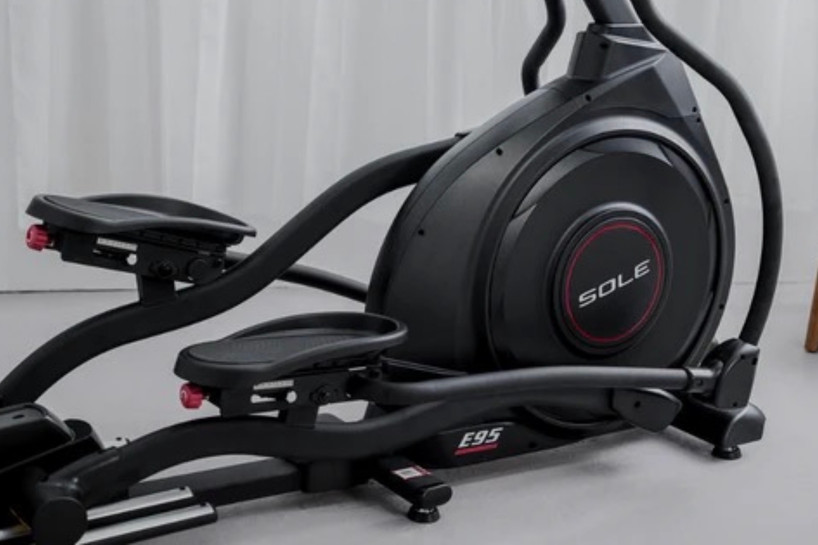
Ellipticals and exercise bikes have their own maintenance needs. Squeaking, clicking, grinding, loose pedals, unstable handlebars, resistance problems, and malfunctioning consoles can all indicate that service is needed. While a loose bolt may seem insignificant, continued use can place additional stress on surrounding components. Having the equipment inspected when symptoms first appear can help identify the source of the problem before it becomes more extensive.
Preventive maintenance is especially important for commercial gyms, apartment fitness centers, hotels, schools, rehabilitation facilities, and other locations where equipment receives frequent use. Machines in these environments can accumulate hundreds of hours of operation in a relatively short period. Routine inspections allow technicians to check belts, cables, fasteners, moving components, lubrication points, electrical connections, and other high-wear areas before they cause equipment downtime.
Safety is another important reason to keep fitness equipment properly maintained. A slipping treadmill belt, damaged strength-training cable, loose pedal, or unstable component can create unnecessary risks for users. Equipment that appears functional may still have worn parts that are difficult to notice without a closer inspection. Regular maintenance and timely repairs help ensure that machines operate as intended and provide users with a safer workout environment.
Professional exercise equipment repair can also be more cost-effective than immediately replacing a malfunctioning machine. Depending on the age, condition, and availability of replacement parts, many problems can be corrected by replacing individual components rather than purchasing entirely new equipment. A qualified technician can diagnose the issue and help determine whether repairing or replacing the machine makes the most financial sense.
Cleaning also plays a surprisingly important role in equipment maintenance. Dust, sweat, pet hair, and debris can collect around motors, belts, electronic components, and moving parts. Over time, this buildup may contribute to excessive heat, friction, noise, or premature component wear. Keeping machines clean and following manufacturer-recommended maintenance procedures can complement professional service and help equipment perform reliably.
When choosing an exercise equipment repair company, look for technicians with experience servicing multiple types and brands of fitness equipment. A knowledgeable technician should be able to troubleshoot mechanical and electronic problems, explain the recommended repair, and identify maintenance issues that could lead to future failures. For commercial facilities, working with a dependable service provider can also make it easier to maintain multiple machines and minimize downtime.
Ultimately, regular exercise equipment maintenance is about protecting your investment and keeping your fitness routine or facility running without unnecessary interruptions. Small problems rarely improve on their own, and catching them early can often prevent more expensive repairs later. Whether your treadmill is making a strange noise, your elliptical isn’t moving smoothly, or your gym equipment simply needs a preventive maintenance inspection, timely professional service can help keep your machines safe, dependable, and ready for the next workout.